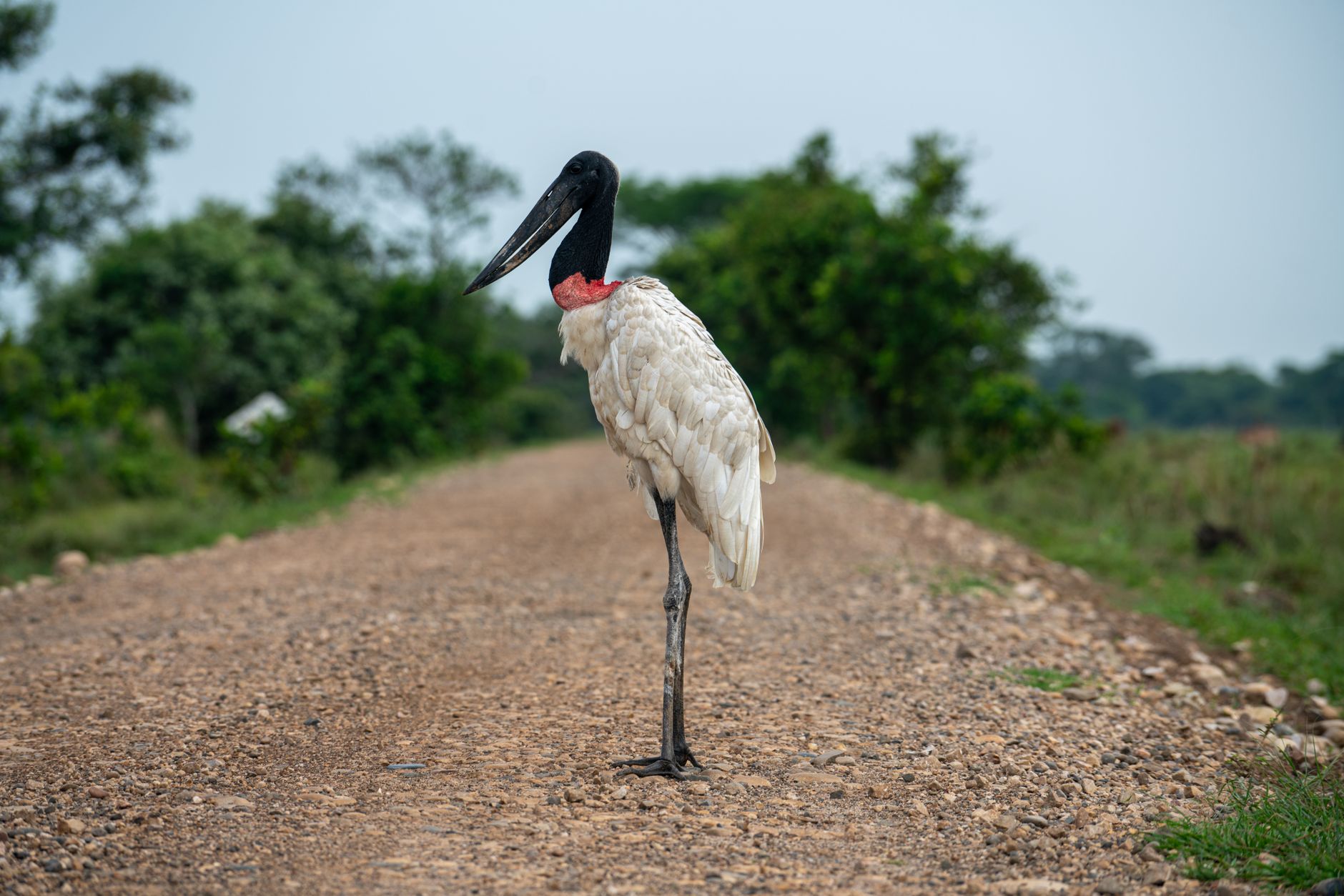
Planning Murchison Falls shoebill sightings takes more than turning up at the river and hoping. The right season matters, the right boat matters, and the right stretch of water matters most. Use this checklist as a practical plan, not a promise. Every experienced Uganda birding guide will tell you the same thing: a shoebill is always possible and never guaranteed.
Where Is the Best Place to See a Shoebill in Murchison Falls?
The strongest location for shoebill sightings is the Victoria Nile Delta, where the river slows and spreads into papyrus-lined channels before entering Lake Albert. The delta is reached by a downstream boat trip from the Paraa area. Shoebills may also appear along quieter, papyrus-fringed sections of the main Nile.
The nearest practical base is the Paraa area, where most boat trips launch. From Paraa, one route heads upstream to the falls and another pushes downstream toward the delta. Many visitors only take the upstream run and leave Murchison without a proper shoebill search. If shoebills are your goal, say so before you board and confirm that the boat will spend time in the delta.
Your location checklist:
- Base yourself near the main boat launch at Paraa.
- Choose a downstream route that enters the Victoria Nile Delta.
- Treat the upstream falls cruise as a possible bonus, not your main birding platform.
What Is the Best Time of Year for Murchison Falls Shoebill Sightings?
Shoebills are resident in Murchison Falls and can be seen throughout the year, but dry periods usually offer easier viewing. December to February and June to August or September bring lower rainfall, more manageable water conditions, and clearer access to shallow feeding areas. January to March is frequently recommended for birding.
Shoebills are not migrants, so there is no single week when they arrive. What changes is visibility. In drier periods, shallow pools concentrate lungfish and catfish, which brings hunting shoebills into clearer water. Seen from a wider planning view, the best time to see shoebills in Uganda is set by water levels, not migration dates.
That pattern suits travelers coming from Kenya. The dry months in Uganda overlap with the drier months in much of East Africa. A cross-border itinerary can include Murchison without asking you to travel against the weather.
Which Boat Trip Gives You the Best Chance of a Shoebill?
Book an early-morning boat trip, ideally between about 6:30 and 8:00 a.m. Shoebills are more likely to hunt in open shallows then, and the river is calmer. Choose a downstream delta excursion for focused birding; the standard upstream cruise to the falls can produce sightings but is primarily a general wildlife trip.
The classic Murchison Falls boat safari runs upstream to the base of the falls. It is a wonderful big game cruise, with elephants, buffalo, hippos, crocodiles and the crash of the falls at the end. The downstream alternative turns away from that show and enters a reed-filled world where the Nile spreads toward Lake Albert. It is easier to miss, and it is exactly where your shoebill search belongs.
For a full sense of what you might see in either direction, read about what else you can see on a Murchison Falls boat safari before you choose.
Shoebill boat checklist:
- Confirm whether the trip goes upstream or downstream.
- Ask for the longest delta run the operator offers.
- Request an early-morning launch, around first light.
- Ask if the guide has real birding experience.
- Have a plan B, such as a possible second afternoon trip, if the first search is quiet.
How Do You Spot a Shoebill From the Boat?
Shoebills often stand motionless beside papyrus, shallow channels, or muddy margins while waiting for lungfish and other prey. Scan slowly rather than looking only for movement, concentrating on isolated grey shapes at the water’s edge. A specialist bird guide can help distinguish a shoebill from driftwood, reeds, or distant waterbirds.
The famous stillness works against you. A shoebill can stand for long stretches, and your eye naturally seeks movement. Scan the shoreline in small bands, looking for grey blocks with smooth edges. A dead branch looks jagged; a shoebill’s back looks smoother. It often holds its heavy bill against its chest, which makes the head disappear at distance.
Ask your guide to talk you through what they see through their scope. Watching an experienced birder pick a shoebill out of mixed reeds is one of the best ways to train your own eye.
How Should You Photograph a Shoebill at Murchison Falls?
Bring 8x or 10x binoculars because Murchison sightings may be distant from a motorboat, and use the longest practical lens for photography. Early light gives softer contrast and better feather detail. Stabilize the camera on the boat, keep noise low, and prioritize watching the bird rather than expecting a close portrait.
Because the boat is the only platform, sound and vibration matter. Put your camera on a beanbag if one is available. If not, brace your elbows against your knees and wait for the boat to settle. Early light gives better contrast than the harsh middle of the day, and it is also when the bird seems most willing to feed.
Murchison is a great setting for an environmental shot, but it is not usually the site for a close head portrait. In other Uganda wetlands, such as Mabamba Wetland near Entebbe, canoe-based trips can approach more closely. Compare the best East Africa safari destinations for photographers to decide how much of your photo time Uganda deserves, and spend time choosing the right telephoto lens for safari photography before you pack.
How Likely Are You to See a Shoebill in Murchison Falls?
A shoebill sighting in Murchison Falls is possible but never guaranteed, even in the dry season. The best odds come from spending time on the water and choosing the delta rather than relying only on the falls cruise. Start early and use an experienced birding guide. One clear sighting is a successful result.
Murchison offers better odds than a random river bank, but you should never book expecting certainty. Water levels, wind and the bird’s own mood can all change a morning. That is why the classic advice is simple: go early, go downstream, and listen to your guide. Stay for more than one boat session if you can.
If you are traveling from Kenya, Murchison sits in northwestern Uganda, not close to the main Kenya parks. Plan at least two nights and treat the shoebill as one highlight among several. Even on a quiet delta day, the park’s big game and varied birdlife will still carry the safari.
Your Next Step Before You Book a Shoebill Safari
Your single next action is to send the same questions to every operator you consider. Does the trip go downstream toward the Victoria Nile Delta? Does it leave early? Is birding a genuine strength of the guide? If an answer is vague, keep looking.
Browse Uganda packages from FindMySafari, Valley Safaris and Trunktrails Safaris. Choose the operator that treats the delta search as part of the day, not as an optional extra.
More safari planning resources
- Best time to visit Kenya map from SafariPure
- Best time to visit Kenya from Trunktrails Safaris
- Best time to visit Kenya month-by-month map from Valley Safaris
- Camera advice for your first safari, on FindMySafari